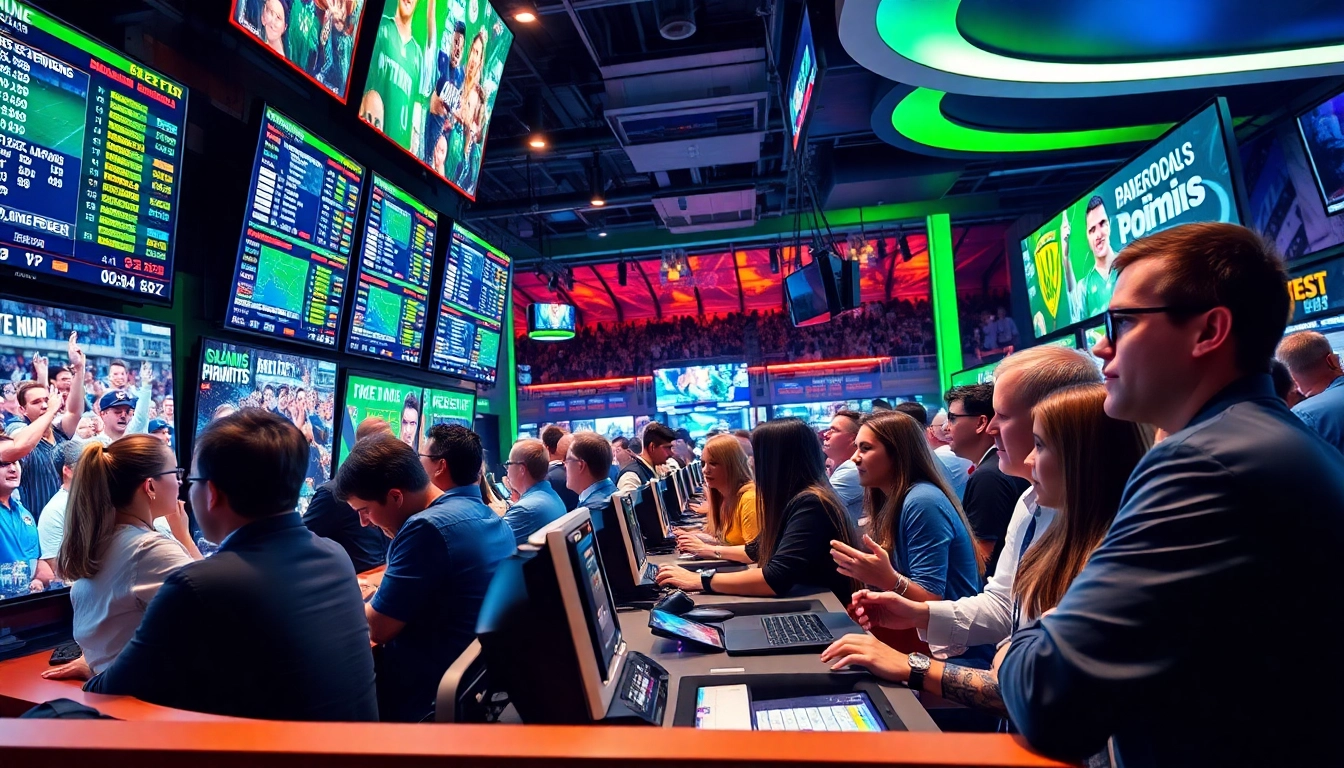
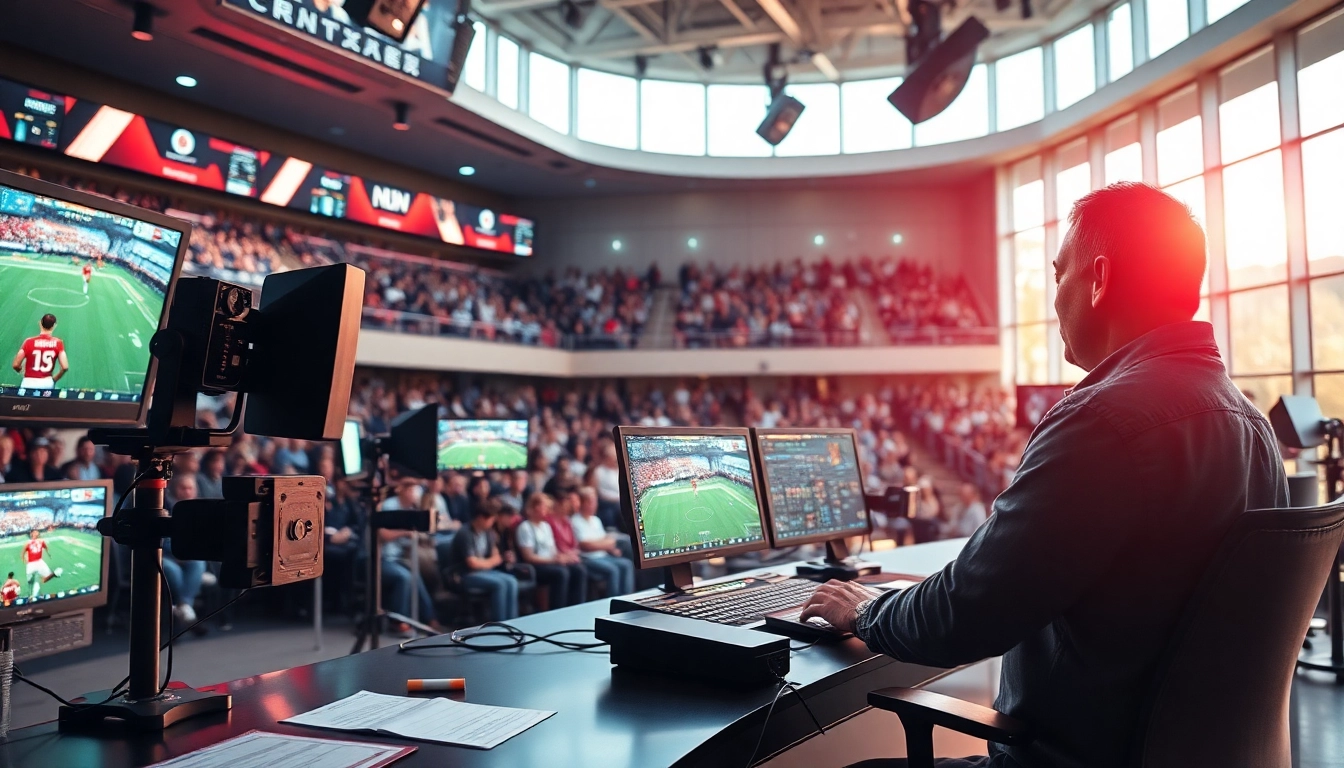
Introduction to Sports Broadcasting
What is Sports Broadcasting?
Sports Broadcasting refers to the transmission of live or recorded sports events through various media channels, allowing audiences to view, hear, and engage with sporting activities from the comfort of their homes or on the go. This specialization encompasses everything from traditional television and radio broadcasts to online streaming platforms. The essence of Sports Broadcasting lies in presenting the excitement of live sports, offering commentary, analysis, and unique insights that enhance the viewer’s experience.
The Evolution of Sports Broadcasting
The journey of Sports Broadcasting dates back to the early 1920s with traditional radio broadcasts, evolving dramatically over the decades. Television emerged as a game-changer in the 1950s, bringing sports into living rooms and increasing viewer engagement significantly. In recent years, the landscape has transformed again with the rise of digital platforms and social media. Now, fans can access live streams, highlights, and interacting content, showcasing how diverse and dynamic the field has become.
Importance in Modern Media
In today’s media landscape, Sports Broadcasting plays a crucial role in shaping audience experiences and expectations. It not only entertains but also informs, educates, and connects fans with their favorite teams and athletes. This importance extends beyond mere entertainment; it impacts advertising strategies, sponsorship opportunities, and even the economics of sports events. As viewership habits evolve, understanding the significance of effective sports broadcasting becomes paramount for media professionals.
Key Components of Sports Broadcasting
Technology and Equipment Used
The backbone of any successful Sports Broadcasting operation is the technology and equipment employed. From high-definition cameras and drone technologies that provide aerial views, to sophisticated audio equipment capturing every cheer and shout, the quality of the equipment ensures a premium experience for viewers. Moreover, broadcasting software has advanced to allow real-time graphics, statistics, and instant replay features, enhancing viewer engagement and understanding of the game.
Content Creation and Curation
Creating compelling content is critical in Sports Broadcasting. This involves not only covering games but also curating stories that resonate with fans, such as player interviews, behind-the-scenes footage, or historical retrospectives. Content creators must possess a keen understanding of the sport, the audience’s preferences, and innovative storytelling techniques. Successful broadcasts utilize engaging segments to maintain audience attention throughout the event, combining insights, analysis, and entertainment.
Audience Engagement Strategies
Effective audience engagement is vital for fostering a loyal fan base. Strategies may include interactive platforms allowing viewers to participate in polls, predictions, and fan discussions during broadcasts. Social media engagement is also crucial, as platforms allow broadcasters to share highlights, receive immediate feedback from fans, and even adapt content based on audience interest. Building a community around Sports Broadcasting creates deeper connections and enhances viewer loyalty.
Best Practices in Sports Broadcasting
Preparing for Live Events
Preparation is key to executing successful live sports broadcasts. This involves logistical planning, such as coordinating with teams, ensuring all equipment is functional, and having contingency plans for technical difficulties. Broadcasters must also study the teams and players to provide insightful commentary, understanding strategies, player backgrounds, and team statistics. Additionally, rehearsals allow all team members to familiarize themselves with their roles and the overall flow of the broadcast.
Effective Communication Techniques
Clear and effective communication is fundamental in Sports Broadcasting. Broadcasters must articulate their thoughts precisely while maintaining engagement through their tone and delivery. Good communication includes balancing technical jargon with accessible language, ensuring that the broadcast appeals to both hardcore fans and casual viewers. Additionally, fostering a rapport with co-commentators and interviewees enhances the quality of interactions and provides a richer viewer experience.
Analyzing Audience Feedback
Post-broadcast analysis of audience feedback is essential for continuous improvement. This can be accomplished through metrics such as viewership numbers, social media engagement, and surveys. Understanding audience sentiment can reveal what aspects of the broadcast resonated and what may need adjustment. Incorporating feedback into future programming shapes a more personalized and responsive broadcasting experience, keeping the audience returning for more.
Challenges in Sports Broadcasting
Navigating Live Broadcast Issues
Live broadcasts are inherently unpredictable; issues such as equipment failure, crew miscommunications, or unexpected events (like injuries) can derail a production. It is critical for broadcasting teams to have protocols in place, ensuring all team members are trained to adapt quickly to unforeseen circumstances. Backup systems, such as alternative camera angles and robust communication lines, should always be prepared to guarantee a seamless viewing experience.
Content Rights and Regulations
Understanding and navigating content rights and regulations is a complex challenge for sports broadcasters. Legal constraints around live event streaming, copyrights, and licensing agreements require broadcasters to stay informed on the changing legal landscape. Licensing negotiations can prove to be costly and time-consuming, yet they are crucial to ensuring that content is delivered legally and ethically to audiences.
Adapting to New Media Trends
With the rapid development of new media, sports broadcasters must continually adapt their strategies. This includes embracing social media platforms, mobile applications, and other tech innovations that can bolster audience engagement. Staying attuned to the latest digital trends—like virtual reality or augmented reality experiences—allows broadcasters to innovate and remain competitive in an ever-evolving landscape.
Future Trends in Sports Broadcasting
Emerging Technologies and Innovations
Looking to the future, emerging technologies promise to transform Sports Broadcasting significantly. Innovations such as AI-driven analytics offering real-time insights, VR experiences immersing fans in the action, and even interactive broadcasting through 5G networks are on the horizon. These technologies provide exciting opportunities to enhance viewer engagement and experience, making broadcasts more interactive and informative.
Impact of Streaming Services
Streaming services have already made a profound impact on the Sports Broadcasting industry. They allow for greater accessibility and flexibility for viewers who prefer to watch on various devices. The rise of OTT (over-the-top) platforms signifies a shift in how audiences consume sports content. As a result, broadcasters must innovate and create unique offerings, such as subscription models, personalized content, and on-demand viewing options.
Global Reach and Localization Strategies
As Sports Broadcasting becomes more global, the need for localization strategies grows. Broadcasters must tailor their content to fit cultural nuances and language preferences to reach a global audience effectively. This may involve creating different commentary teams, localized promotions, or specific game analyses. Understanding international markets allows broadcasters to expand their reach and strengthen brand loyalty among diverse audiences.
FAQs
What are the key roles in sports broadcasting?
The key roles include broadcasters, producers, technical crew, and commentators, all vital for delivering live sports.
How can I improve my broadcasting skills?
Improving skills involves practice, studying techniques from professionals, and gaining insights from audience feedback.
What technology is essential for sports broadcasting?
Essential technology includes high-definition cameras, audio equipment, and broadcasting software to ensure quality coverage.
What are the most common challenges in sports broadcasting?
Common challenges include equipment failures, communication breakdowns, and adapting to last-minute changes during live events.
How does streaming impact sports broadcasting?
Streaming broadens audience access, introduces new revenue models, and encourages broadcasters to innovate content delivery methods.